- Improving
- Property
Swimming pools - should you take the plunge?

Like many of us, in this wonderful weather, I sit in my garden and think how much I’d love to have a swimming pool. Can you imagine coming home from a hot and sweaty commute on a packed and airless train and slipping into the cooling waters of your very own pool? And what about the parties? The smell of barbecued food as you sip on your Pimms and dangle your feet in the pool. You’d be the hottest ticket in town. But what’s involved in getting one? And how much do they cost?
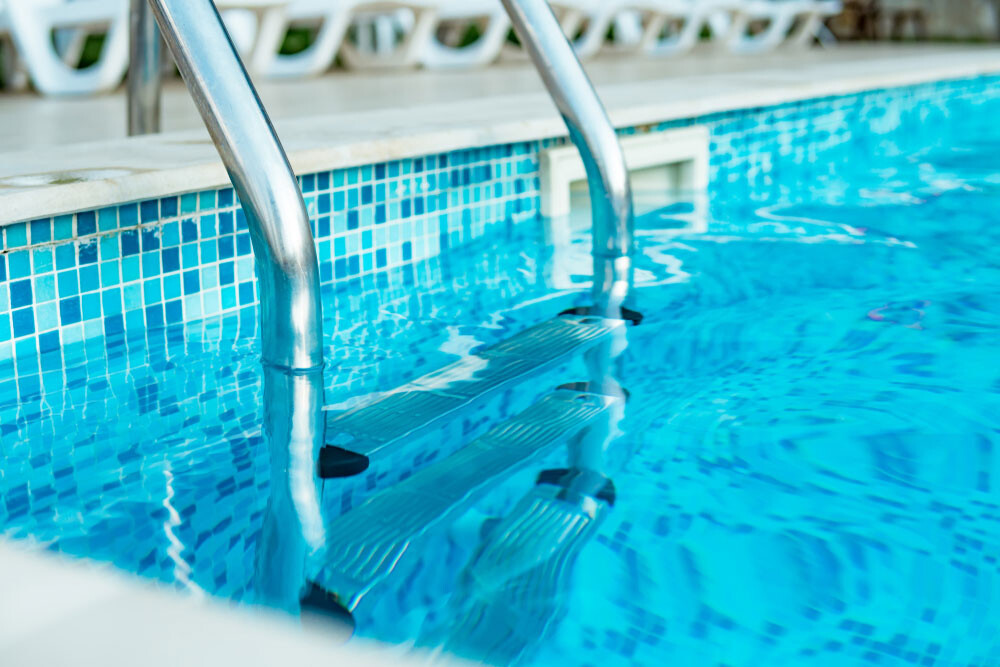
I always thought pools were the preserve of the wealthy, so I was quite surprised to find there’s a pool for every budget. The cheapest option, by far, is an above-ground pool. Basic metal-framed models start from around £250, while larger family-sized versions can still be bought for around £1,000. And there’s no reason why you can’t build some decking around them rather than having to clamber over the sides. The water might be a touch chilly though, as most are unheated!
The average in-ground pool is around 11m (36ft) by 4m (13ft) and 1.5m (5ft) deep and is considerably more expensive, although, if you do the work yourself, you can reduce the costs considerably. Self-build liner kits start from around £5,000, depending on the size and specification. If, on the other hand, you just want someone to come and do it all for you, according to Homebuilding & Renovating magazine, professionally installed pools start from around £25,000, rising to around £45,000 for a tiled concrete pool. Clearly, it will depend on the size and the finishes you specify. Once heating, covers, paving and landscaping are included, however, many professionally installed pools end up costing considerably more.
If you want an indoor pool, the prices rise again, typically costing from £60,000 to £150,000, including dehumidification equipment. That does not include the cost of a new building to house it, which would add from around £1,000/m² upwards, depending on the specification.
There is another option and that is the increasingly popular natural pool. These use plants and natural filtration to keep the water clean and algae free. Clearly, they are more natural looking than a conventional pool, providing visual interest all year round, and they are chlorine free. However, they do need to be managed properly. The good news is they cost roughly the same as a conventional in-ground pool, with prices generally starting from around £40,000, and you can heat them too.
And that brings me on to the next big issue – what about heating and maintenance costs? The costs will vary depending on how big the pool is, how well it’s insulated, the temperature you keep it at and the heating method. A simple above-ground pool that’s only used in the summer will cost very little to run, but a large heated in-ground pool could cost several thousand pounds a year. One of the best ways to keep those costs down is to fit a good quality pool cover, which reduces heat loss and evaporation. There are also lots of renewable heating options, such as solar heating and heat pumps. A heat pump will typically cost between £2,000 and £4,000 for the unit, plus installation, but remains one of the most economical ways to heat a pool. Solar heating costs more to install, but can make a significant contribution to your heating during the summer months.
In conclusion, there’s no doubt a swimming pool will add to your enjoyment of a home, especially during a hot summer, but will it add any value to the house? It depends. A well-designed pool in the grounds of a substantial family home could certainly make it more attractive to buyers, particularly if pools are common in the area. On the other hand, if it’s squeezed into a small suburban garden and takes up most of the outside space – or simply looks unloved – it could put off as many buyers as it attracts.
So what am I going to do? On a journalist’s salary, not a lot. I’ve got my eye on a large paddling pool – £40 at my local garden centre. No kids allowed!