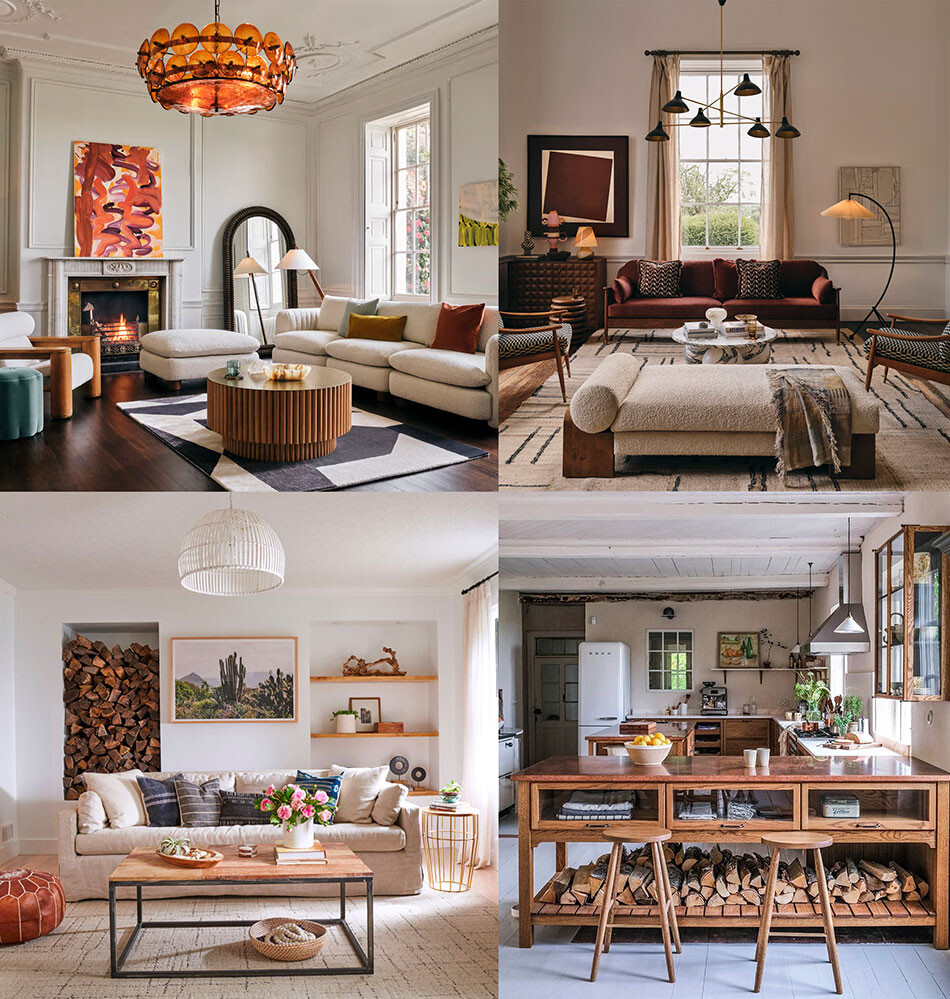

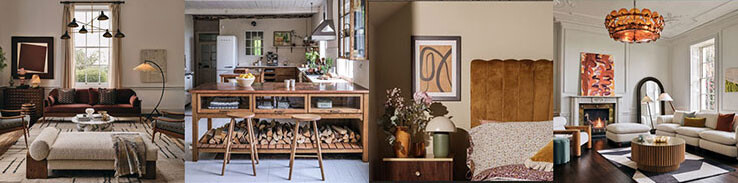
Home design in 2026 is less about chasing fast-moving trends and more about creating spaces that feel calm, comfortable and genuinely lived in. Across the UK, homeowners are making considered updates rather than wholesale changes, focusing on warmth, texture and longevity. Interiors are becoming more personal, shaped by how homes are actually used day to day rather than how they are styled for photographs.
Rather than rigid looks or matching sets, there is a growing confidence in mixing old and new, practical and decorative, creating homes that feel settled and individual.
Colours: neutrals with purpose
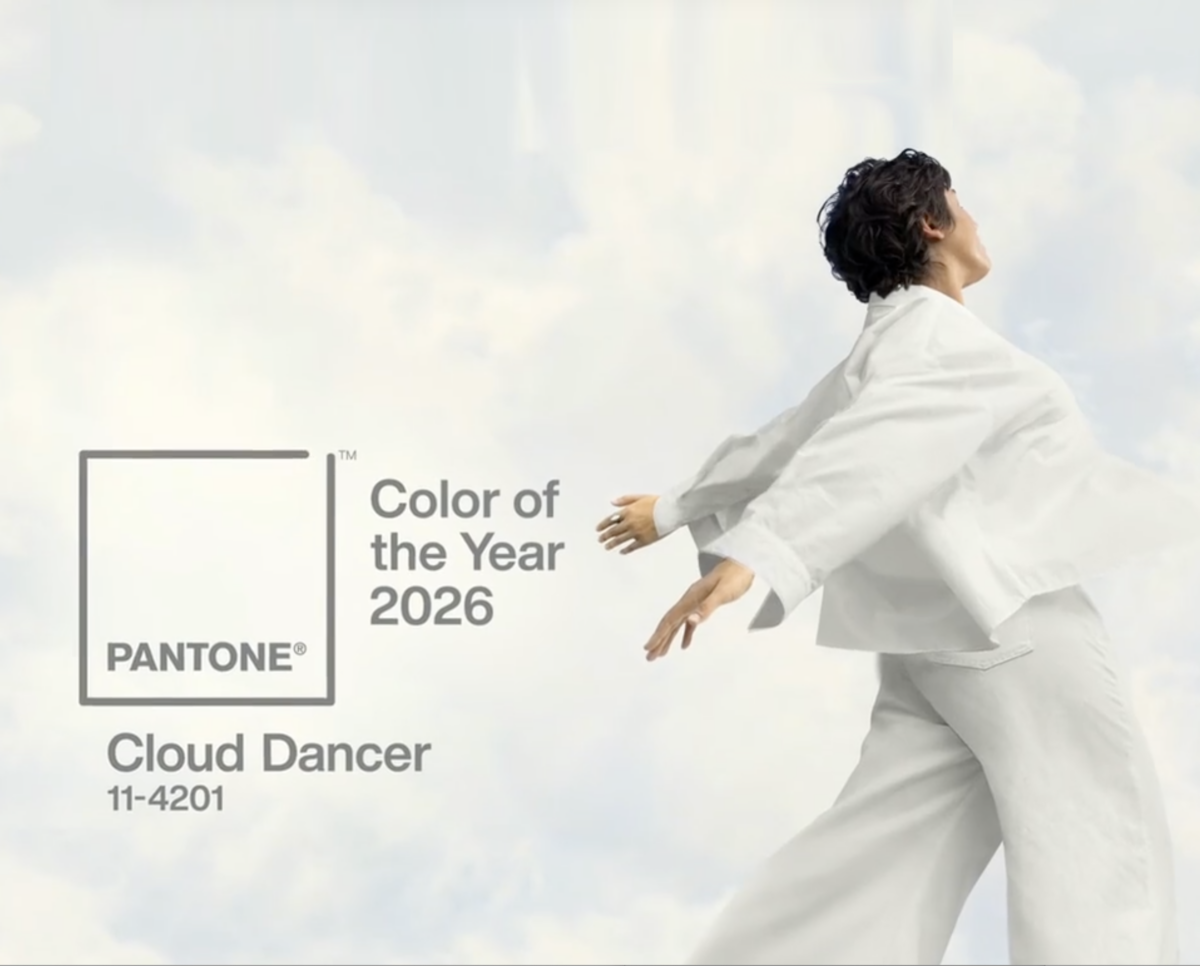
Neutrals are the colour choice of 2026, but not the stark whites of previous years. Pantone’s Colour of the Year, Cloud Dancer, is a soft, luminous white that feels calm and reassuring rather than clinical.
These gentler whites are being paired with warmer tones such as stone, putty, clay and soft greys, creating a backdrop that works well with natural light. Neutrals are being used to allow texture, artwork and furniture to take the lead.
Richer colours still have a place, but more as accents than statements. Deep blues, muted greens and earthy reds in upholstery, joinery or smaller details, add depth without overwhelming a room.
Pantone’s colour of the year
Homes that feel lived-in
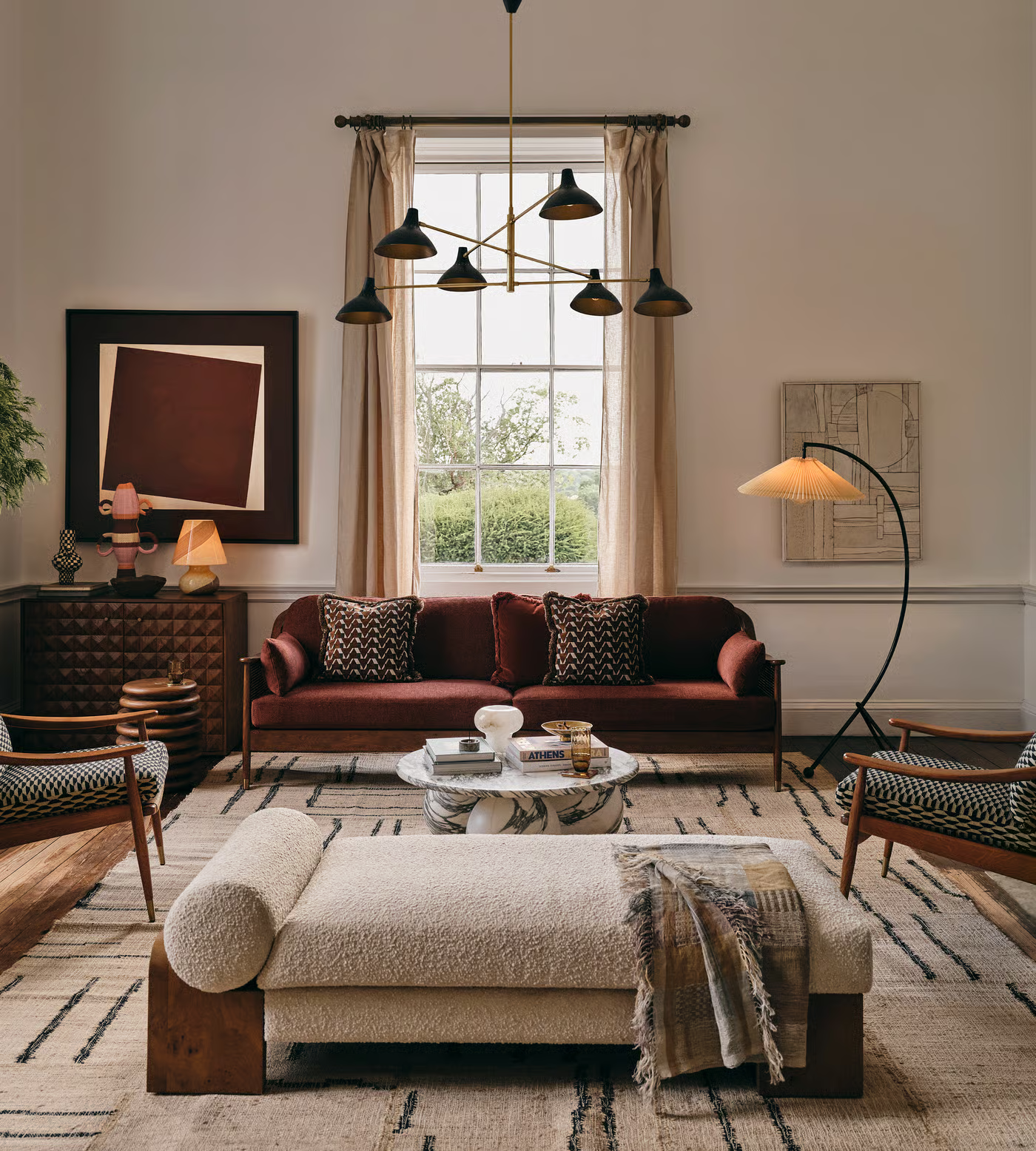
One of the clearest shifts in 2026 is a move away from those perfect, showroom-style interiors towards homes that feel genuinely lived in. Comfort is no longer something to hide – it is part of the aesthetic.
Layered textiles, visible bookshelves, well-used furniture and collected pieces all contribute to this feeling. There is less pressure for everything to match, and more appreciation for spaces that tell a story over time. Homes are being designed to be used, not preserved.
Image: Soho Home
Kitchens: character over polish
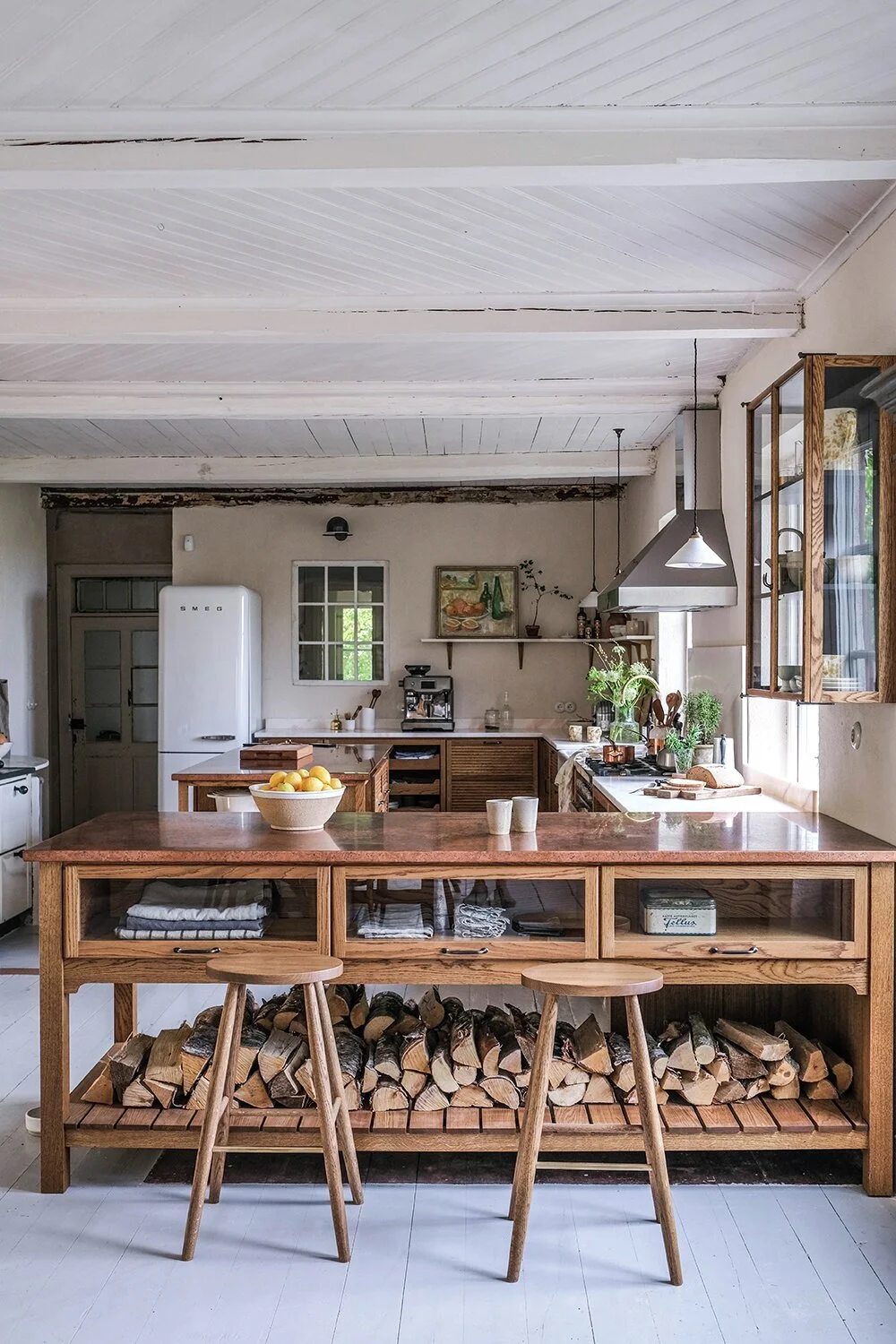
Kitchens area also moving away from high-gloss perfection. In 2026, character matters. Natural materials, subtle colour and handcrafted details are all in demand, alongside layouts that reflect how kitchens are actually used.
Rather than dominating a space, statement elements are being chosen carefully — a distinctive worktop, a splash of pattern, or a run of cabinetry in a deeper tone. Practical storage is just as important as style, helping kitchens feel calm even in busy family households.
Image: Devolv Kitchens
Living rooms: softer, more relaxed spaces
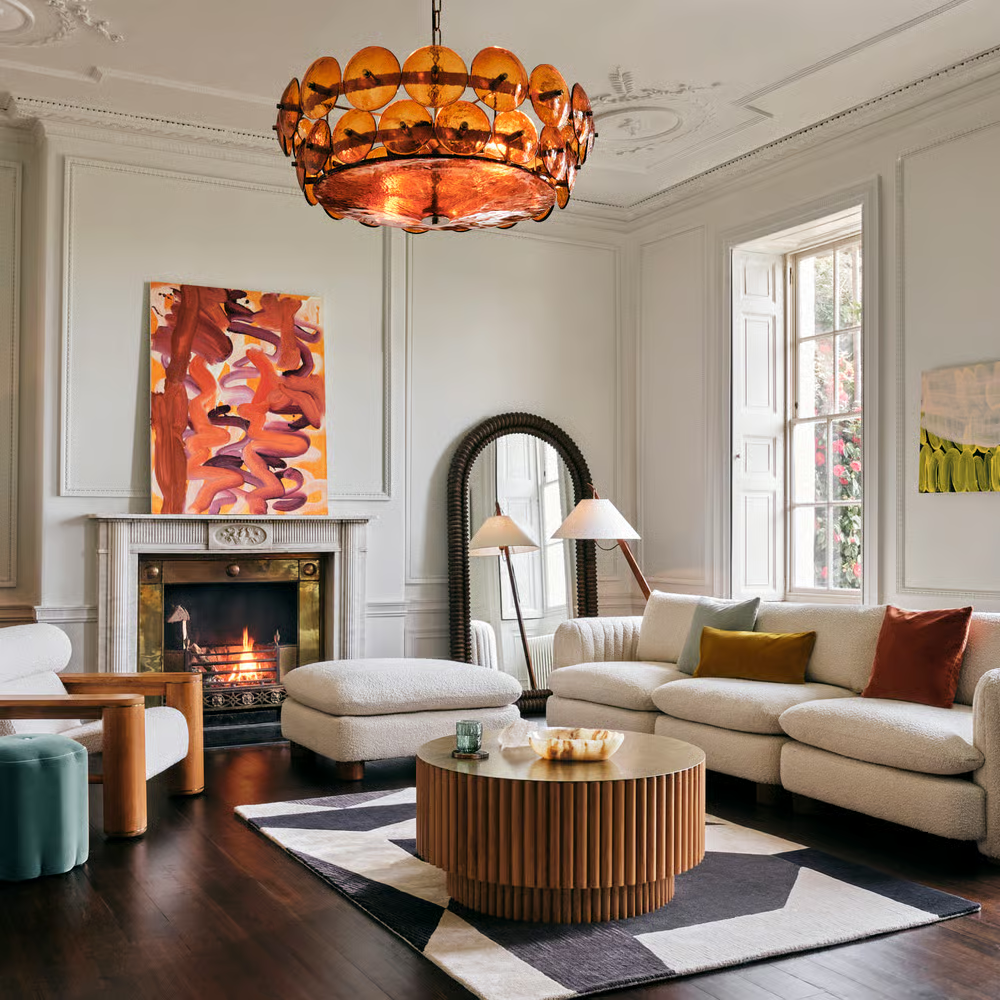
Living rooms are becoming more relaxed and emotionally led. Comfort is key, with generous seating, layered rugs and lighting that can be adjusted throughout the day. Instead of one strong focal point, rooms are being designed for flexibility — spaces to relax, entertain, work or switch off.
Colour and texture are used to add warmth, with sofas and armchairs chosen as much for how they feel as how they look. The overall effect is welcoming rather than formal.
Image: Soho Home
Bedrooms: quiet and restorative
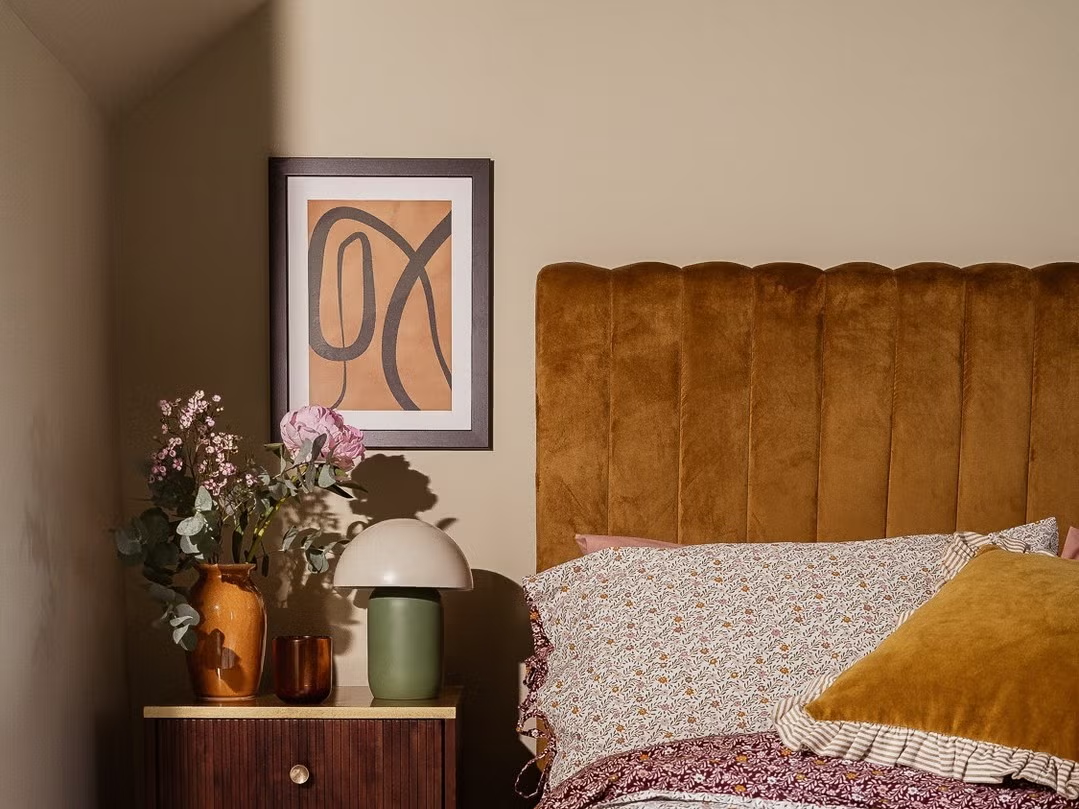
Bedrooms in 2026 are designed as retreats from the rest of the house. Neutral palettes dominate, supported by natural fabrics such as linen and cotton. Upholstered headboards, soft lighting and clever storage help keep these spaces calm and uncluttered.
Rather than dramatic statements, the focus is on comfort and rest, with colours and textures chosen to support sleep and relaxation.
Image: Zara Home
Bathrooms: everyday calm
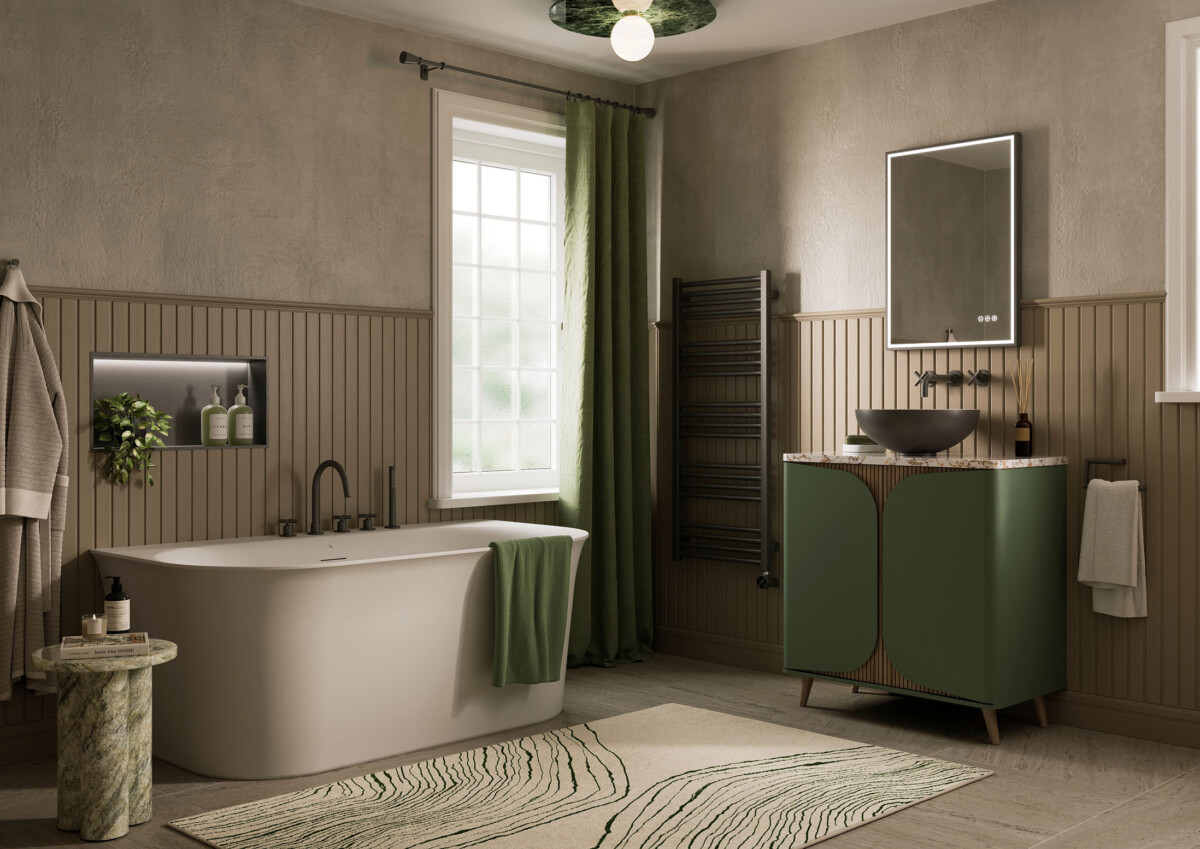
Bathrooms are becoming more like personal sanctuaries, but with a more practical approach. Natural finishes, warm metals and textured surfaces bring a sense of quiet luxury, while good lighting and storage make spaces feel organised and easy to use.
The emphasis is on durability and comfort rather than showpiece features, creating bathrooms that work just as well on busy mornings as they do at the end of the day.
Image: Crosswater