

When you are selling a home, you choose your agent, a board goes up, viewings roll in, an offer lands, and you’re on your way.
Except for many homeowners, it’s not quite that simple. Even when the market is moving, selling can mean weeks (or months) of keeping the place spotless, juggling viewing times, and listening to feedback that ranges from helpful to slightly painful.
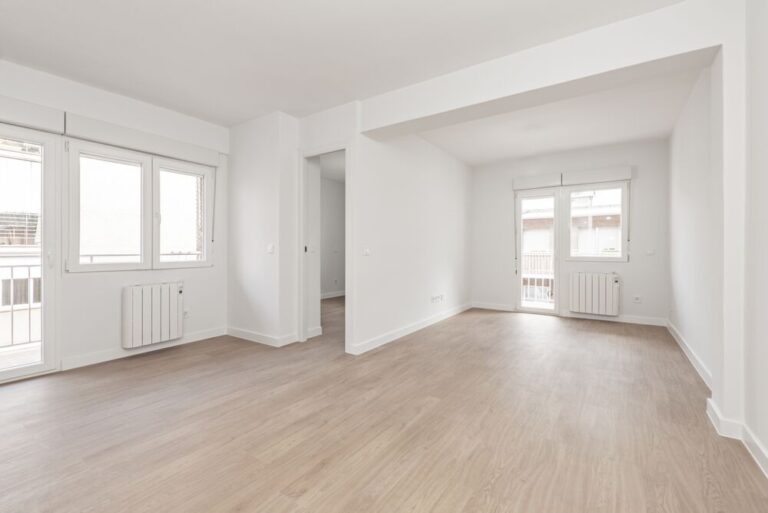
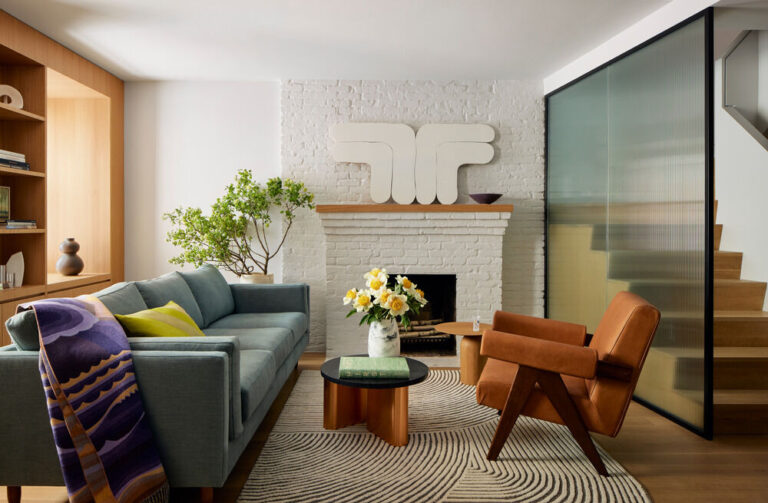
That’s one reason property staging – the art of presenting a home to look its best – has become far more mainstream in the UK. It’s not about turning your home into a showhome for the sake of it. It’s about making rooms feel brighter, more spacious and easier to imagine living in.
And the good news is you don’t need a full redesign or a big spend to borrow some of the tactics professionals use.
Why staging works (even if it feels a bit “surface level”)
According to Liv Conlon of The Property Stagers, buyers make quick judgements. They’re not only noticing the number of bedrooms or the size of the garden, they’re also reacting to how the home feels.
A cluttered kitchen can read as “no storage”. A gloomy hallway can feel unwelcoming. A bedroom with unmade beds and overflowing laundry can make the whole property seem hard work, even if the bones are good.
Staging works because it removes those distractions. It helps buyers focus on the space, not the stuff.
Start at the front door: first impressions count
The entrance is the first key “moment” in a viewing, and it sets expectations.
Keep it simple:
• clear the hallway floor (shoes, bags, coats)
• add a mirror to bounce light around
• consider a slim console table rather than bulky furniture
• swap harsh white bulbs for warm lighting
You’re aiming for calm, clean and easy to walk through.
Declutter surfaces, not just cupboards
Decluttering is the biggest quick win – and the one most likely to be rushed.
Focus on the areas buyers’ eyes go to first:
• kitchen worktops
• bathroom edges
• bedside tables
• coffee tables
• windowsills
Worktops should look open and usable, and bathrooms clean and uncomplicated. If you want the space to look bigger, let it breathe.
Finish the “small” DIY jobs that give buyers pause for thought
Loose handles, peeling paint, and half-finished jobs can knock confidence.
Before viewings, tackle anything that looks unfinished:
• chipped paintwork and scuffed walls
• dripping taps
• broken cupboard doors
• wonky curtain rails
• blown lightbulbs
None of these are expensive fixes, but they can change the impression from “we’ll have to redo everything” to “this home has been well-looked after”.
Make bedrooms feel like hotel rooms (not storage rooms)
Bedrooms are meant to be comfortable refuges. If they feel crowded or messy, buyers stop seeing them as restful spaces.
The easiest staging upgrade is bedding:
• crisp, light-coloured sheets
• pillows that look full and fresh
• a neatly made bed with a throw or textured blanket
If you’re short on time, prioritise the main bedroom first. It’s the one buyers expect to feel the most “grown up” and finished.
Stop pushing furniture against the walls
It’s a common instinct to shove everything to the edges, but that can make rooms feel awkward and less usable.
Instead, create a layout that shows how the room works:
• pull sofas slightly forward
• angle an armchair into a corner
• keep walkways clear
• leave enough space around dining tables
It doesn’t need to look like a furniture catalogue. It just needs to look intentional.
Keep décor neutral, not forgettable
There’s a difference between neutral and bland.
When selling, the aim is to make the home feel like it could belong to someone else – without stripping it of warmth.
Try removing the most personal items:
• very bold feature walls
• heavily themed rooms
• large collections of family photos
• anything that makes the home feel “about you” rather than “about the space”
A few simple touches – a plant, a clean rug, a tidy shelf – can still give personality without overwhelming the room.
Make your home smells clean (but keep it subtle)
Scent can sway reactions fast. Fresh air matters more than any product, so start by ventilating rooms properly before viewings.
If you add fragrance, keep it light. Many stagers recommend fresh citrus tones because they read as “clean” without being overpowering.
The biggest rule is simple: avoid anything heavy or artificial. Buyers shouldn’t notice scent – they should just notice the home feels fresh.
Don’t forget the photos: most viewings start online
Today’s first viewing often happens on a screen. That’s why presentation matters long before anyone steps inside.
Before your photos are taken:
• remove clutter from every surface
• open curtains and blinds fully
• switch on lamps to add warmth
• tidy gardens and balconies
• hide bins, hoses and pet bowls
Clear, bright images can mean more clicks, more viewings – and a better chance of attracting confident offers.
The aim is not perfection – it’s momentum
Professional staging can involve everything from furniture rental to full room reworks, but most sellers don’t need that.
The expert approach is really about the basics done well: clean lines, inviting rooms, good light and fewer distractions.
Get those right, and your home won’t just look nicer – it will feel easier to say yes to.