
- Selling
- Prepare for sale
Solar panels brighten your sales prospects

Soaring energy bills have radically changed the status of solar panels. What started as a fringe eco-product is now becoming mainstream. It means that, when you are selling a home, they are no longer nice-to-have items; buyers are increasingly expecting them. In some cases, their absence is even seen as a negative.
And that attitude shift is now showing up in hard numbers. Consumer research from Switch Together, a UK scheme that helps households buy renewable technology through collective purchasing programmes, shows that six in ten buyers now believe a home without solar panels should be cheaper, with the average expected reduction around £11,000. Younger buyers are the most uncompromising. Those aged 25–34 think the gap should be closer to £12,500.
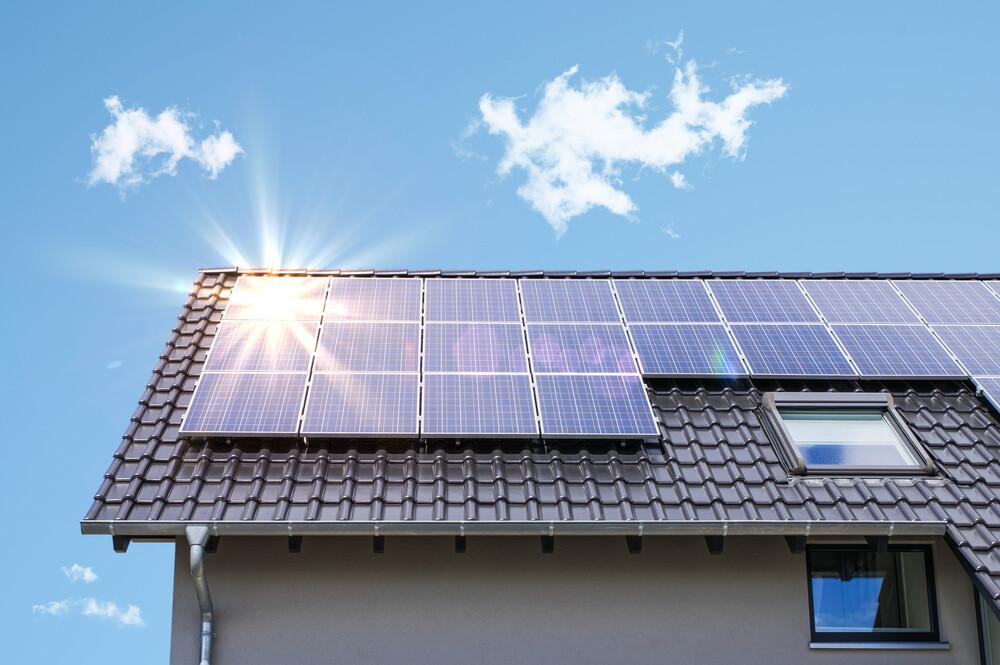
The same study also shows the premium effect working the other way. More than a quarter of homebuyers say they would pay extra for a property where panels are already installed. That’s because it removes the cost and disruption of having to arrange a system themselves.
So what is actually involved in getting a solar panel system? George Frost, UK Head of Switch Together, says a standard domestic PV set-up usually needs between 10 and 20 square metres of roof space, and he adds that planning the position carefully is crucial to getting the best performance.
Depending on orientation and household usage, that can cover roughly 20% to 45% of a home’s electricity needs. Panels do not require bright sunshine to function — they still generate power on cloudy days — but they perform best on a south-facing roof angled at around 35°. Shade is the real enemy. Even a chimney stack or nearby tree can reduce efficiency, which is why positioning matters, Frost adds.
Costs have fallen sharply over the last decade. According to the Energy Saving Trust, the average 3.65kWp system costs around £4,800, more than 50% cheaper than it once was. Once fitted, maintenance requirements are low. The main savings come from using your own electricity during daylight hours, when the panels are generating. Running high-energy appliances in the afternoon rather than overnight can make a noticeable difference.
There is also the option of exporting spare electricity. Under the Smart Export Guarantee, households can sell unused power back to the grid. The exact return depends on your tariff and how much you export, but it can trim a useful slice off annual bills and shorten the payback period — once one of the biggest arguments against installing panels.
Government policy is pushing expectations further. From 2027, rooftop solar is expected to become standard on new build homes under updated building rules. That will not force anyone to retrofit an existing property, but it will reset what buyers see as normal. Once new homes arrive with panels as standard, older properties without visible energy upgrades may start to feel behind the curve.
For homeowners thinking about selling, energy performance is moving up the wishlist when people buy a property. Solar panels are following the same path that was once taken by insulation and double glazing: optional at first, before becoming essential.